
Explore
Galápagos Islands
Once. Ever
A Living Laboratory, Still Running
Galápagos was born where opposites collide: a cold current rising from the south meeting a warm one flowing down from the north, fire meeting sea, the equator line that splits north from south crossing right through the islands. That collision is the reason this place resembles nowhere else.
The Archipelago
Isolation Built This Place
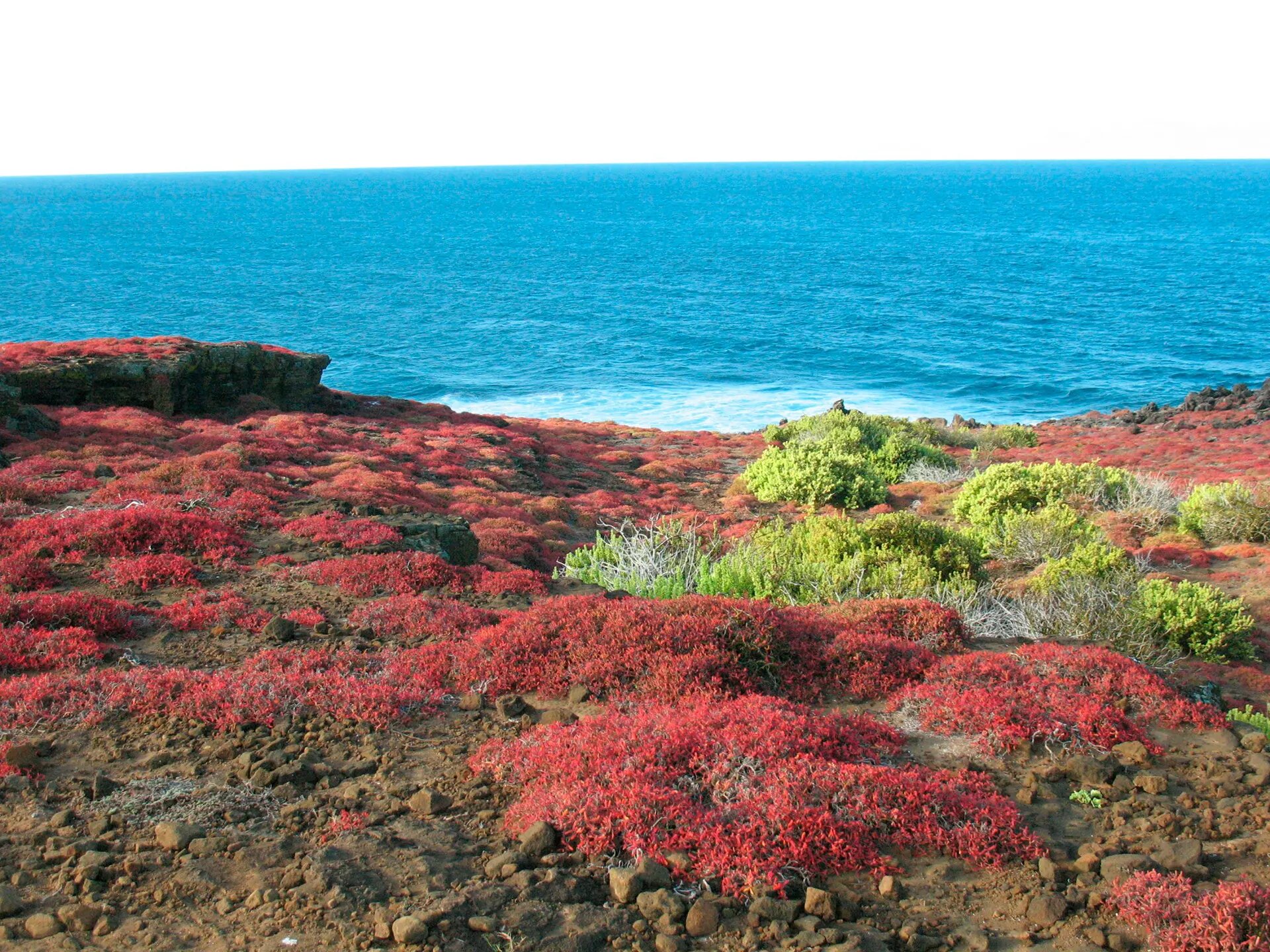
600 miles (1,000 km) offshore, three ocean currents collide here. Isolation did the rest.
Where Darwin Found His Answer
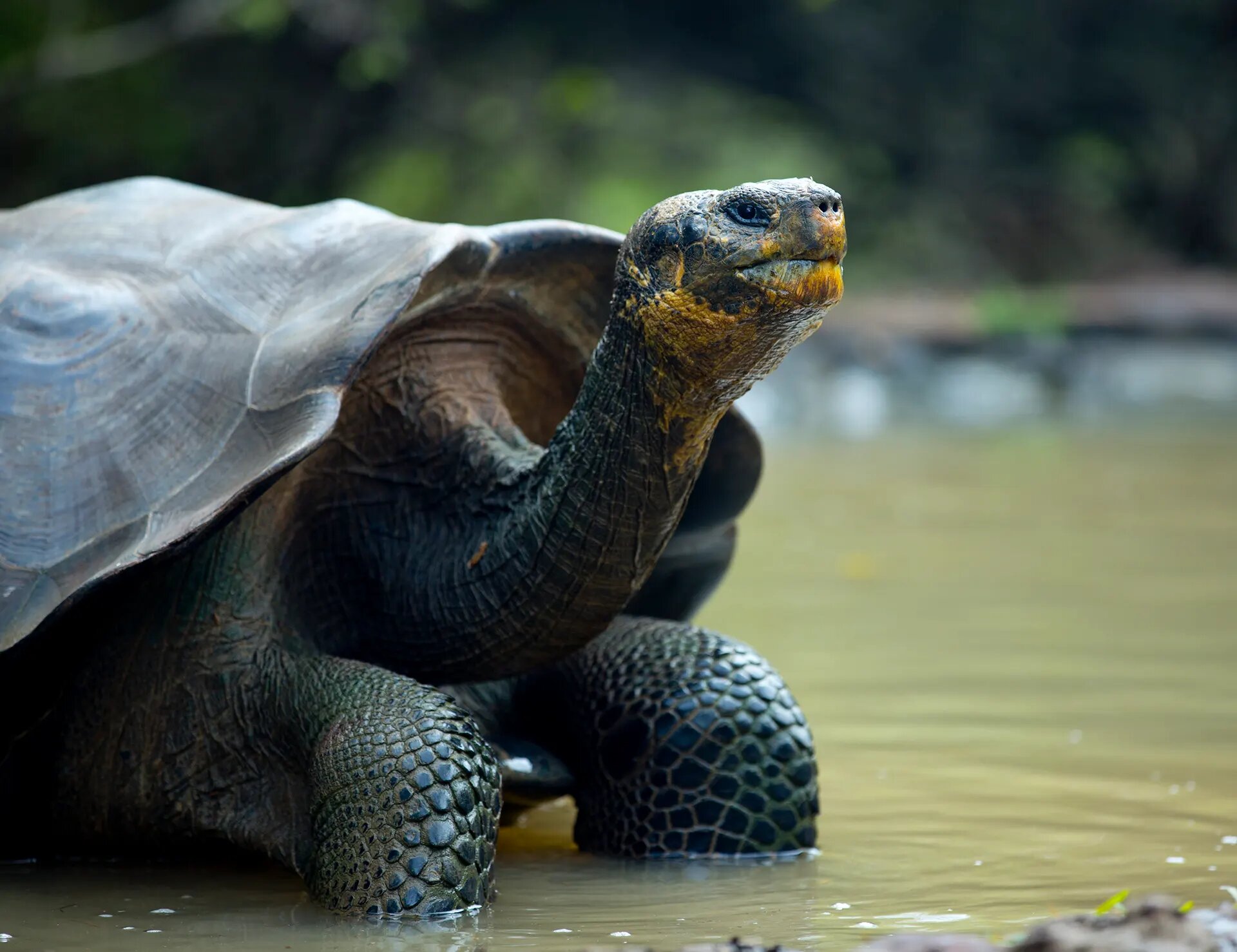
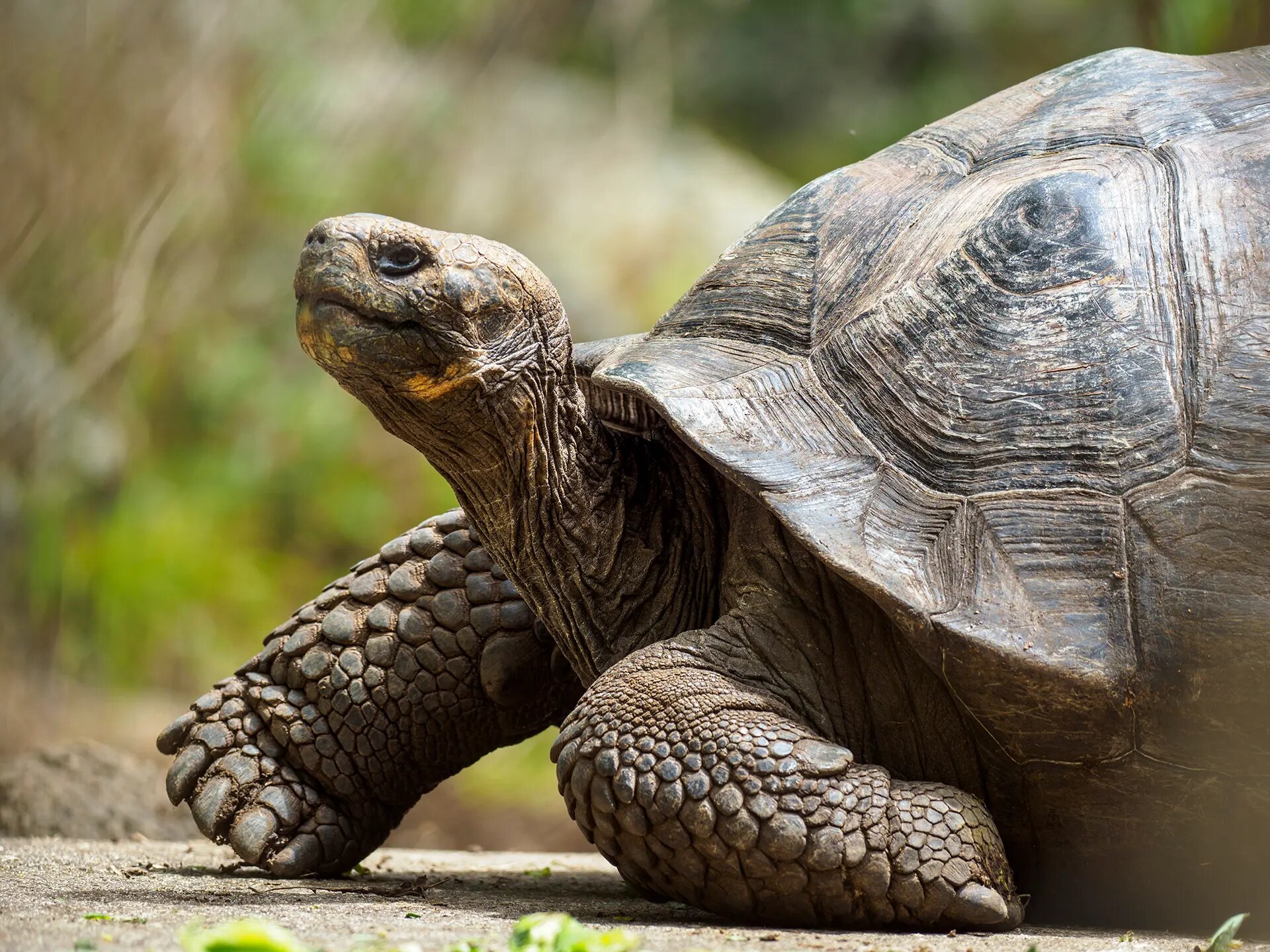
Finches shaped by island. Tortoises shaped by volcanoes. The evidence for evolution, still alive.
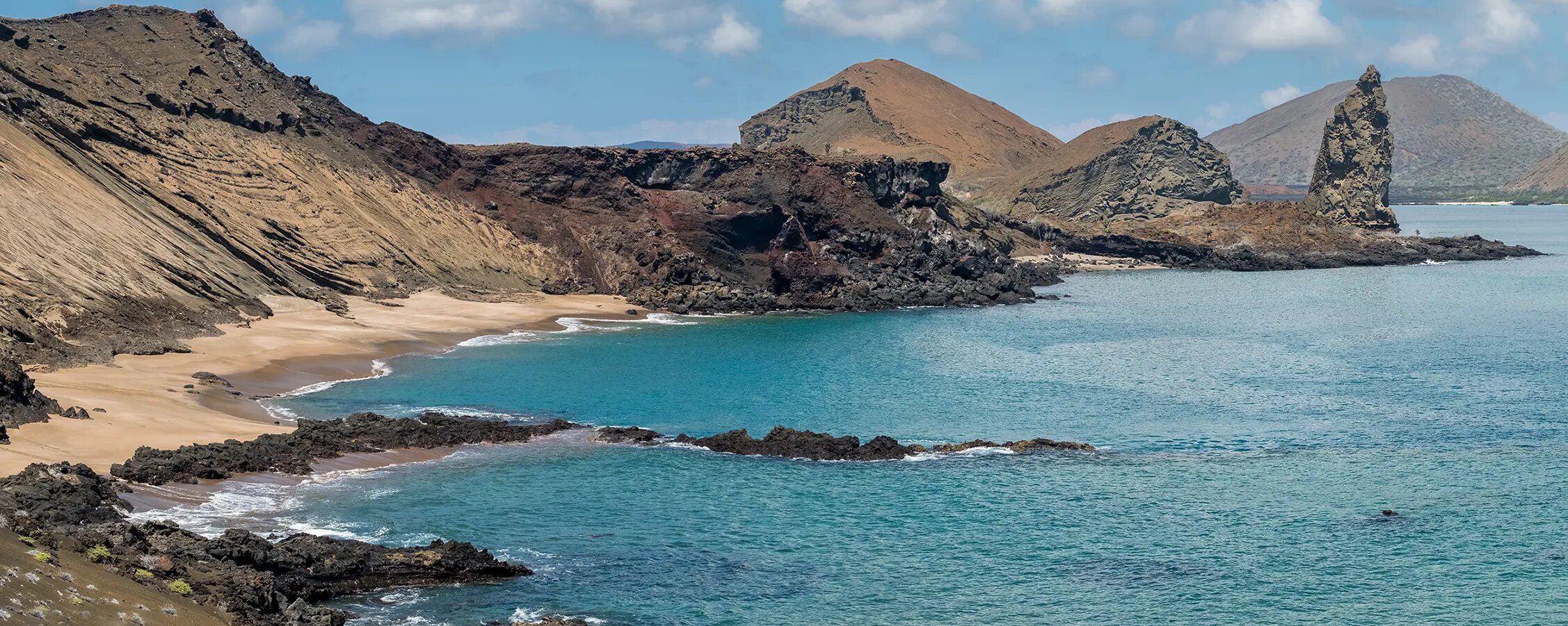
Every Island, Its Own World
Lava field to misty highlands, a short sail apart. No two landings look alike.
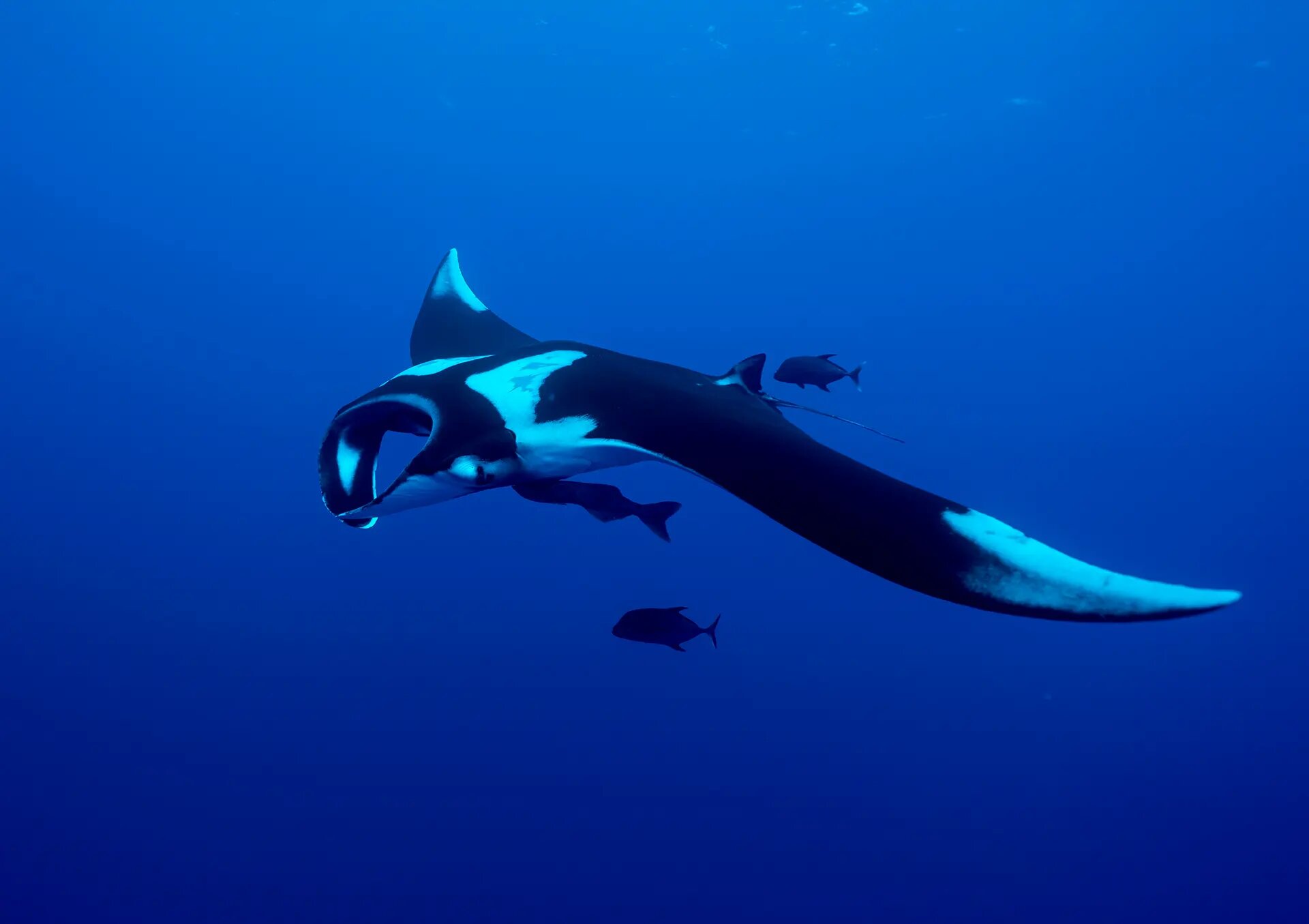
A Living Marine Reserve
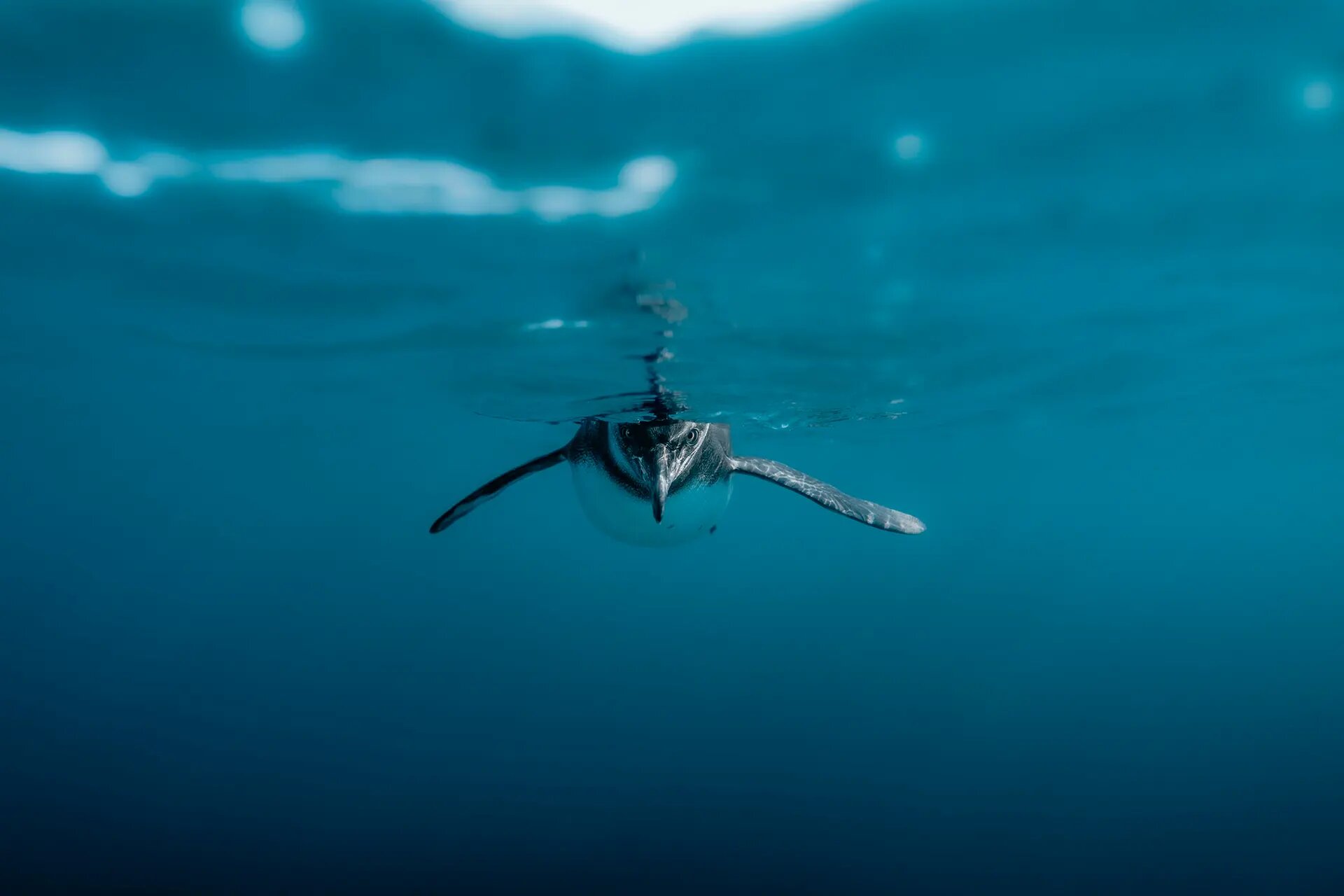
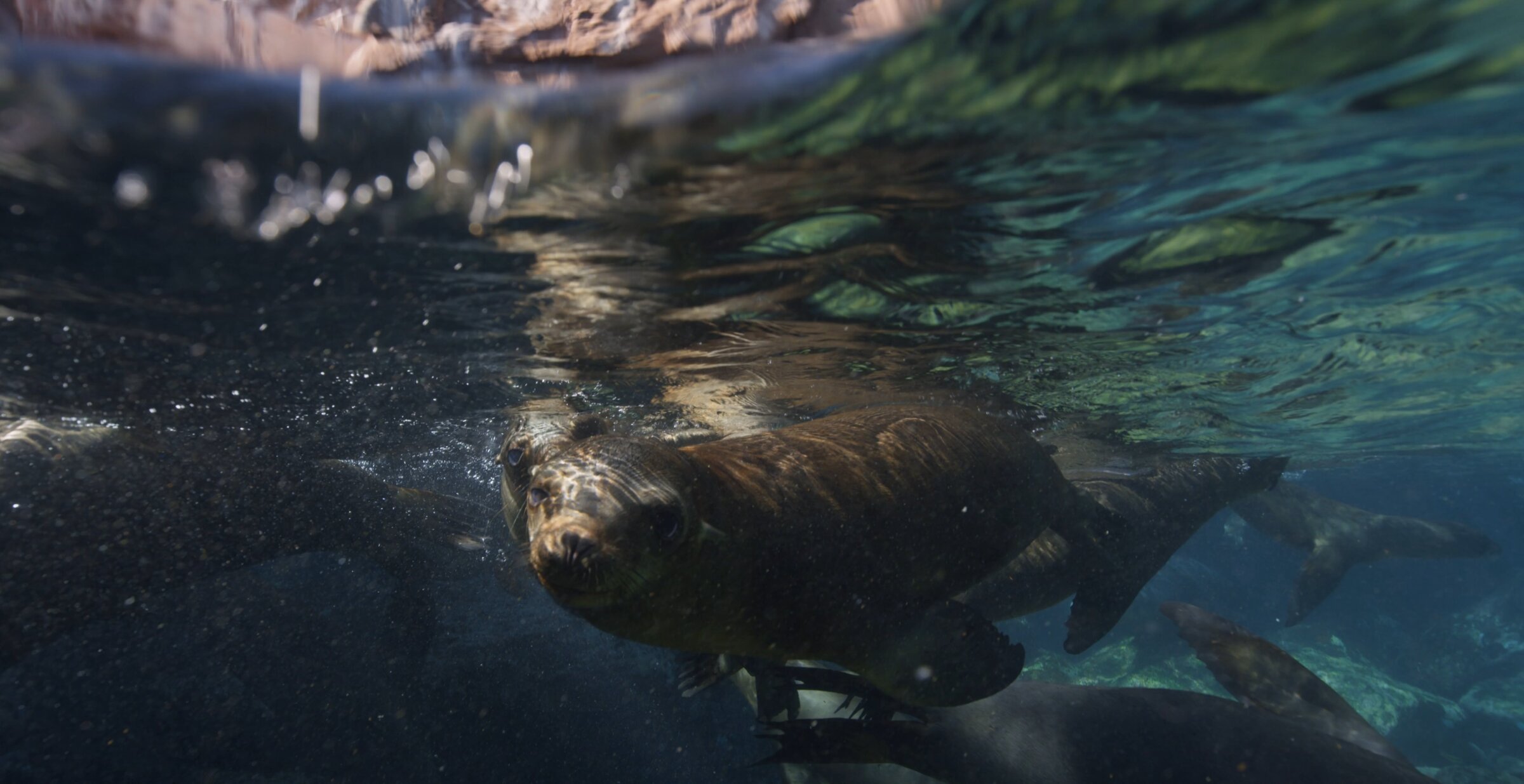
One of the richest marine environments on Earth. Sharks, rays, and turtles share the water you'll swim in.
The Expedition of a
Lifetime
Some journeys you plan for. This one you commit to.
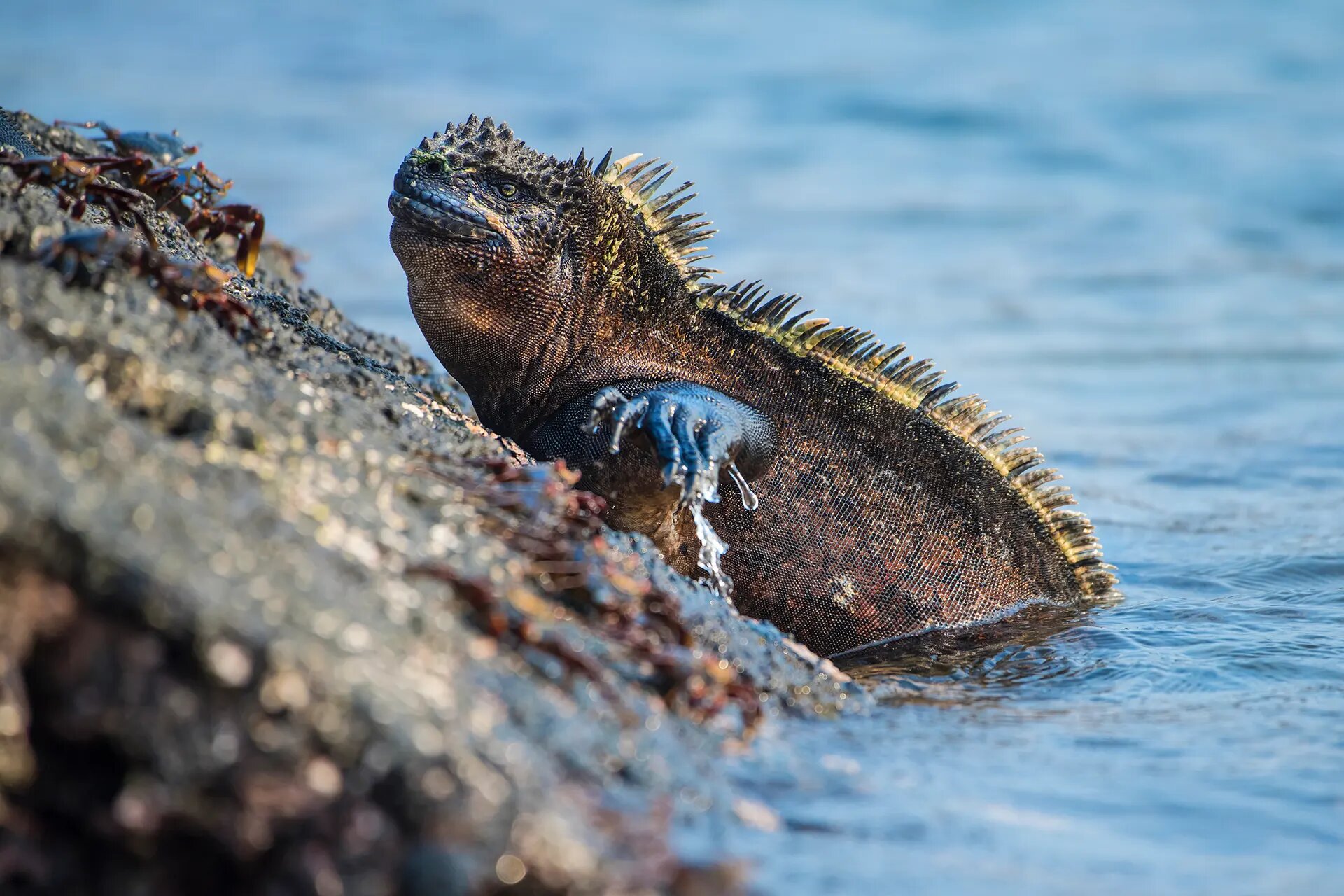
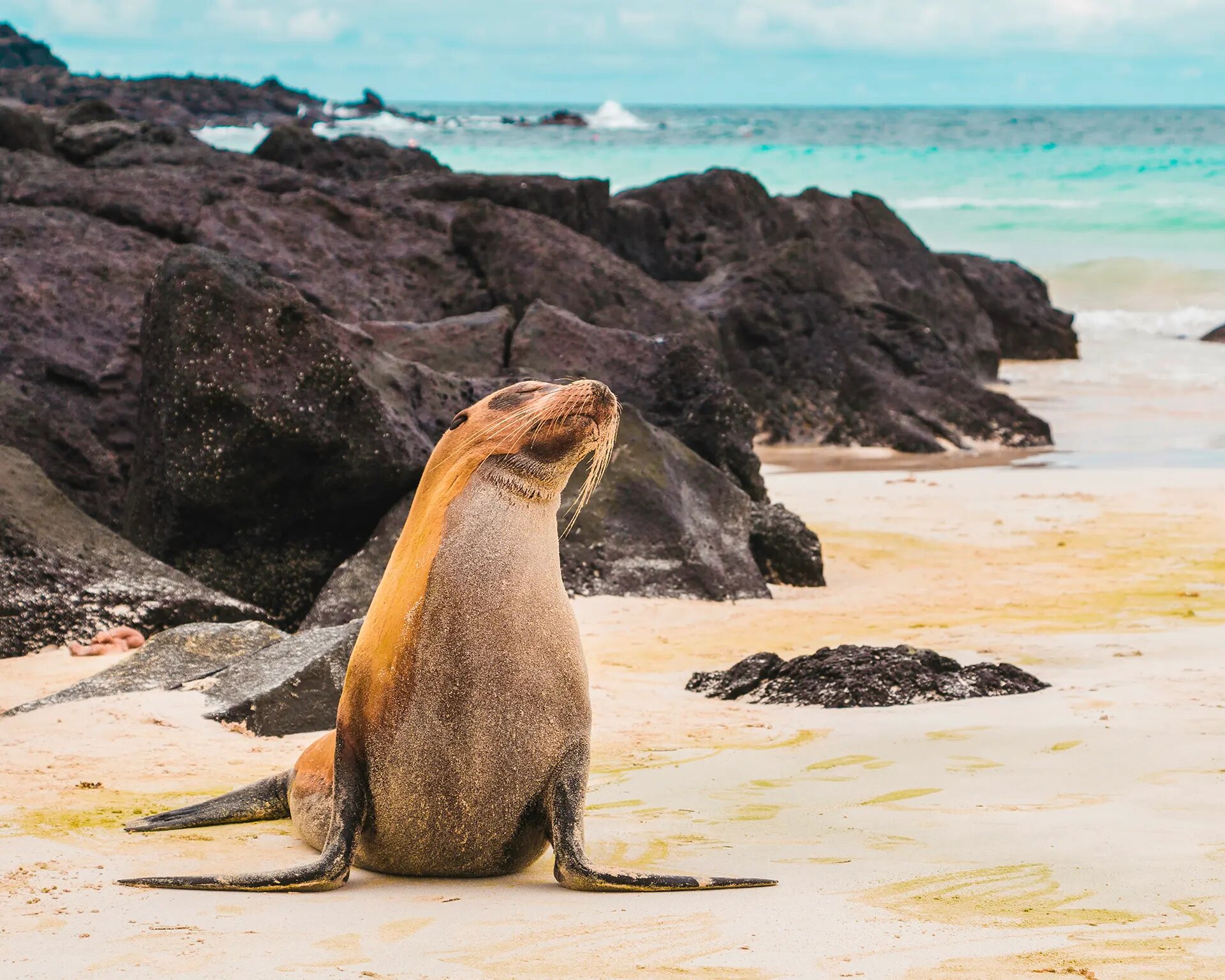
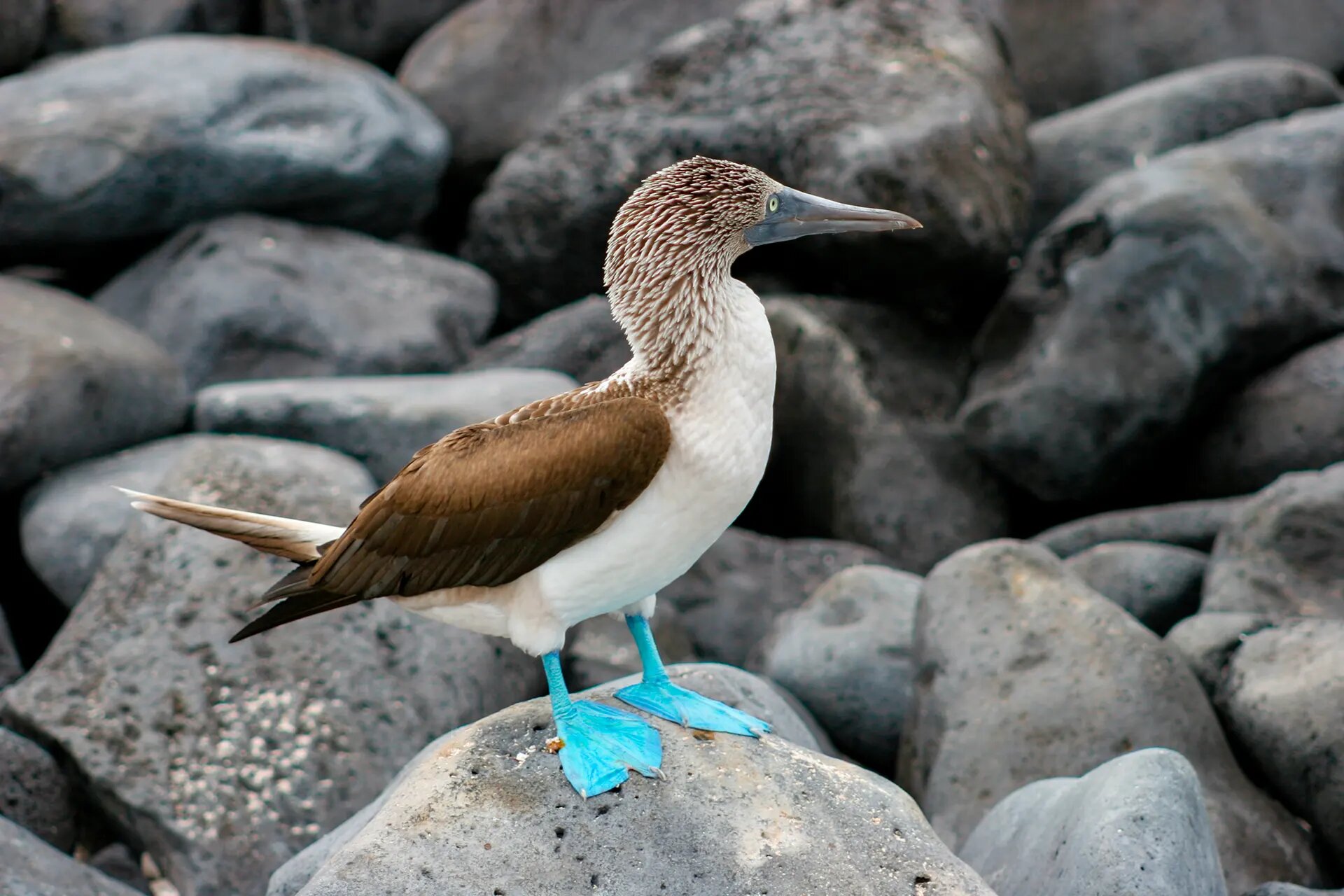
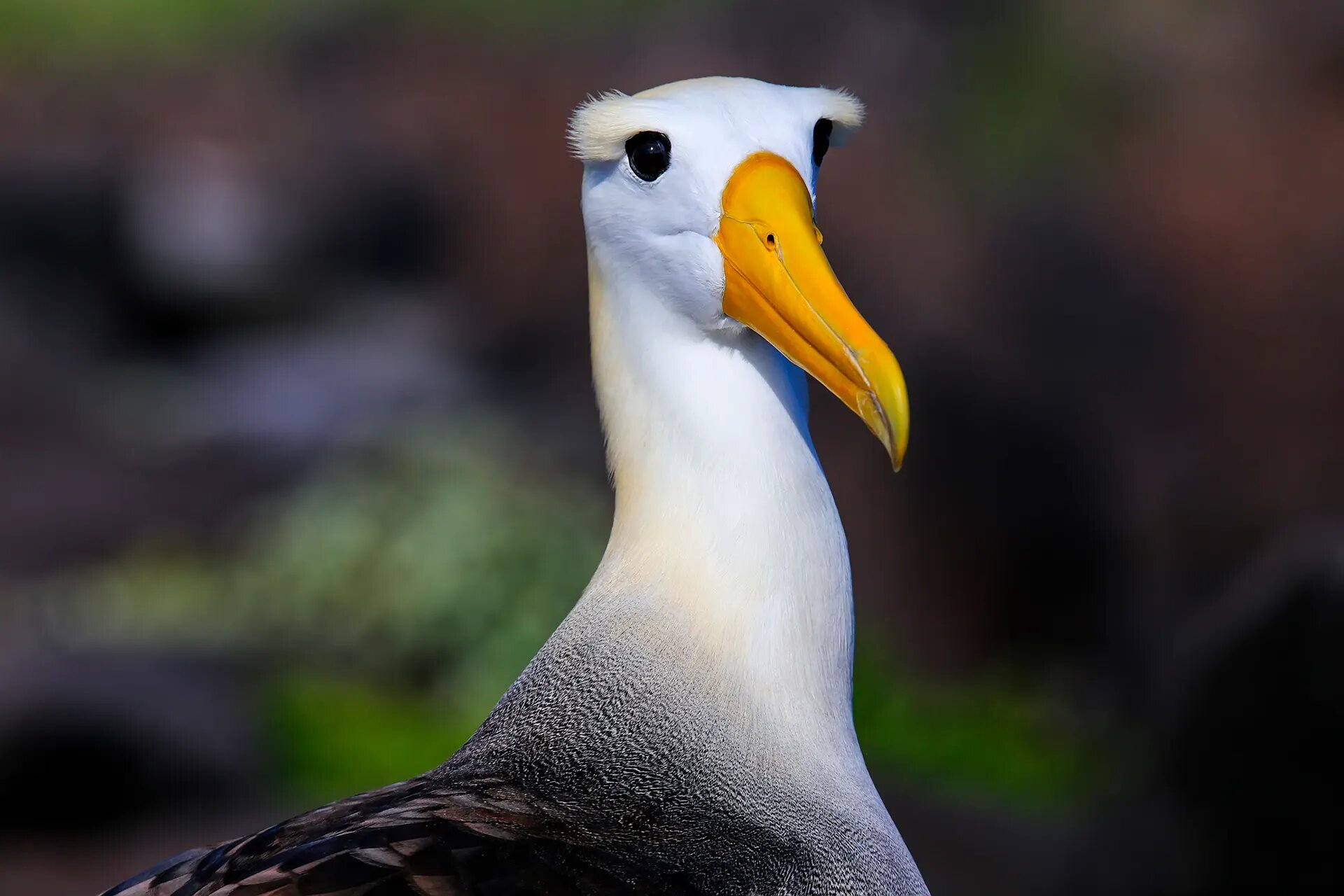
The Wildlife
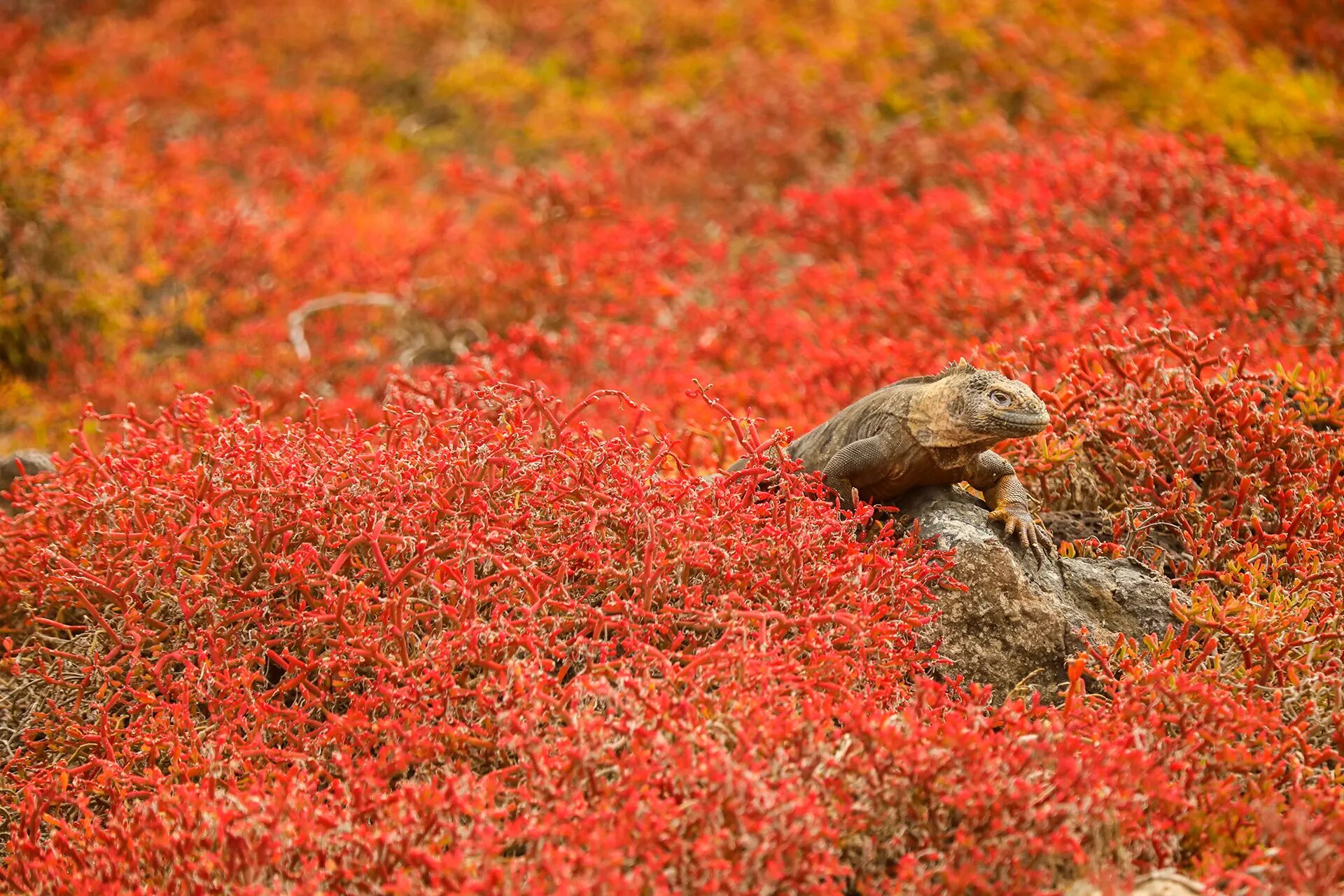
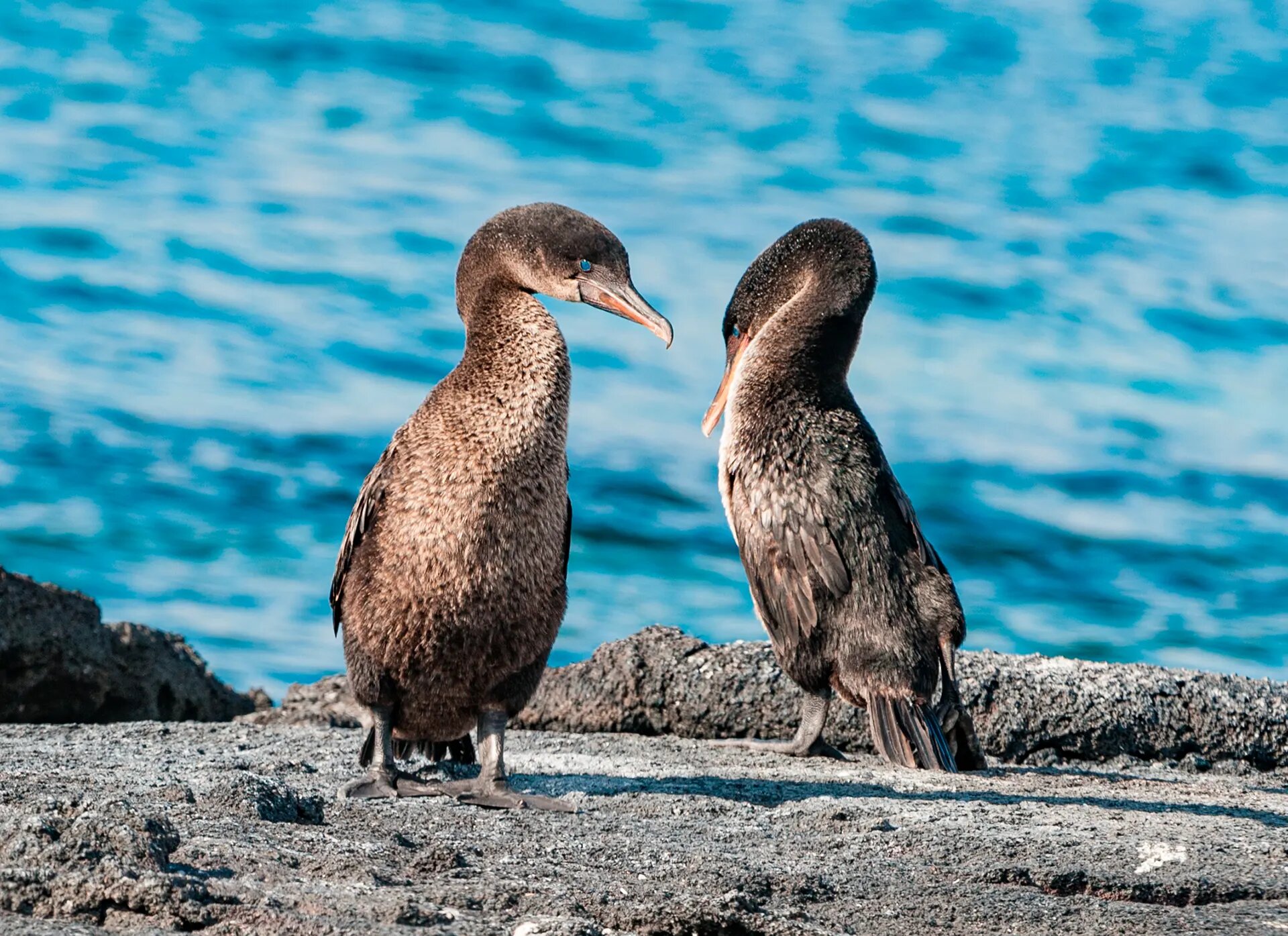
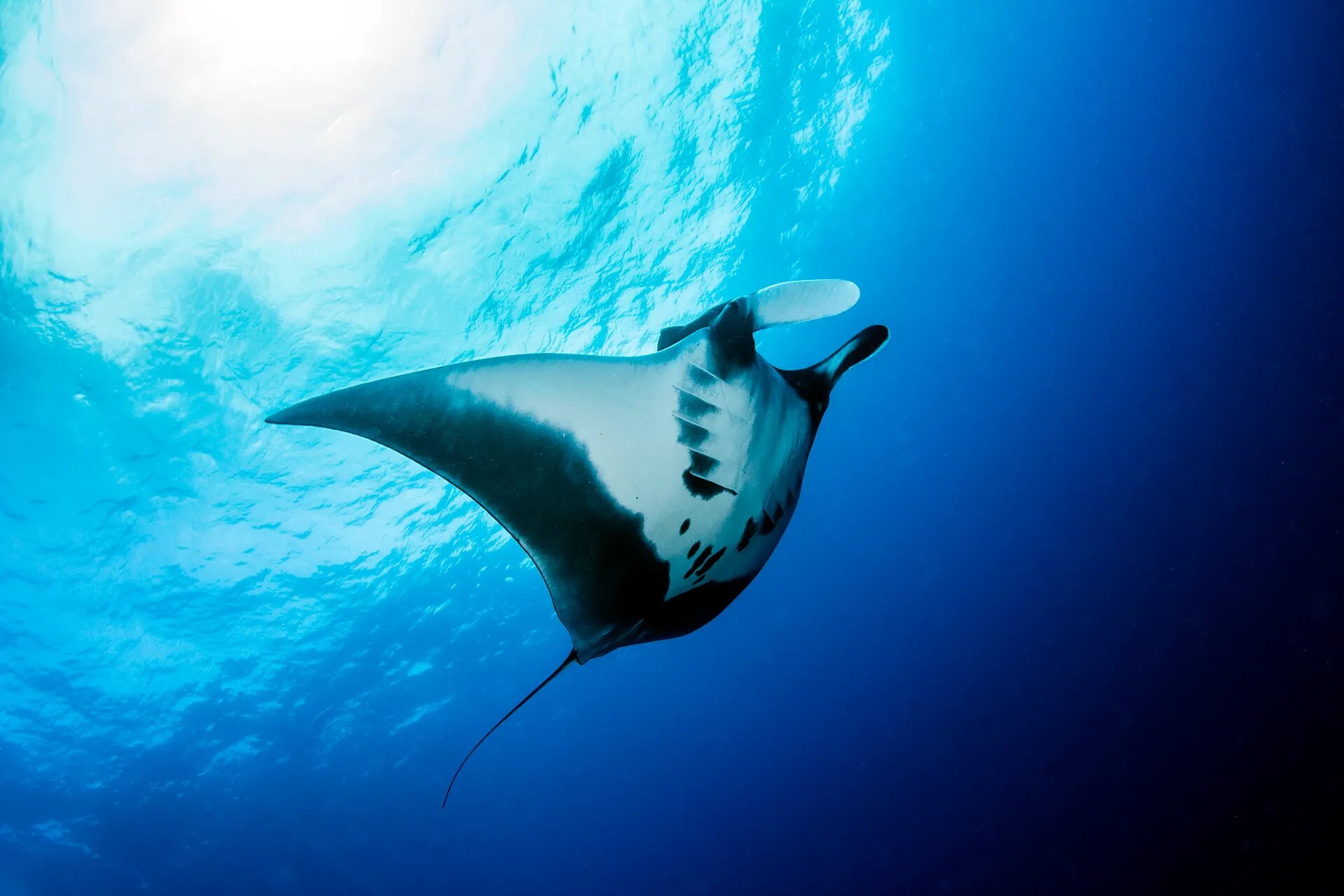
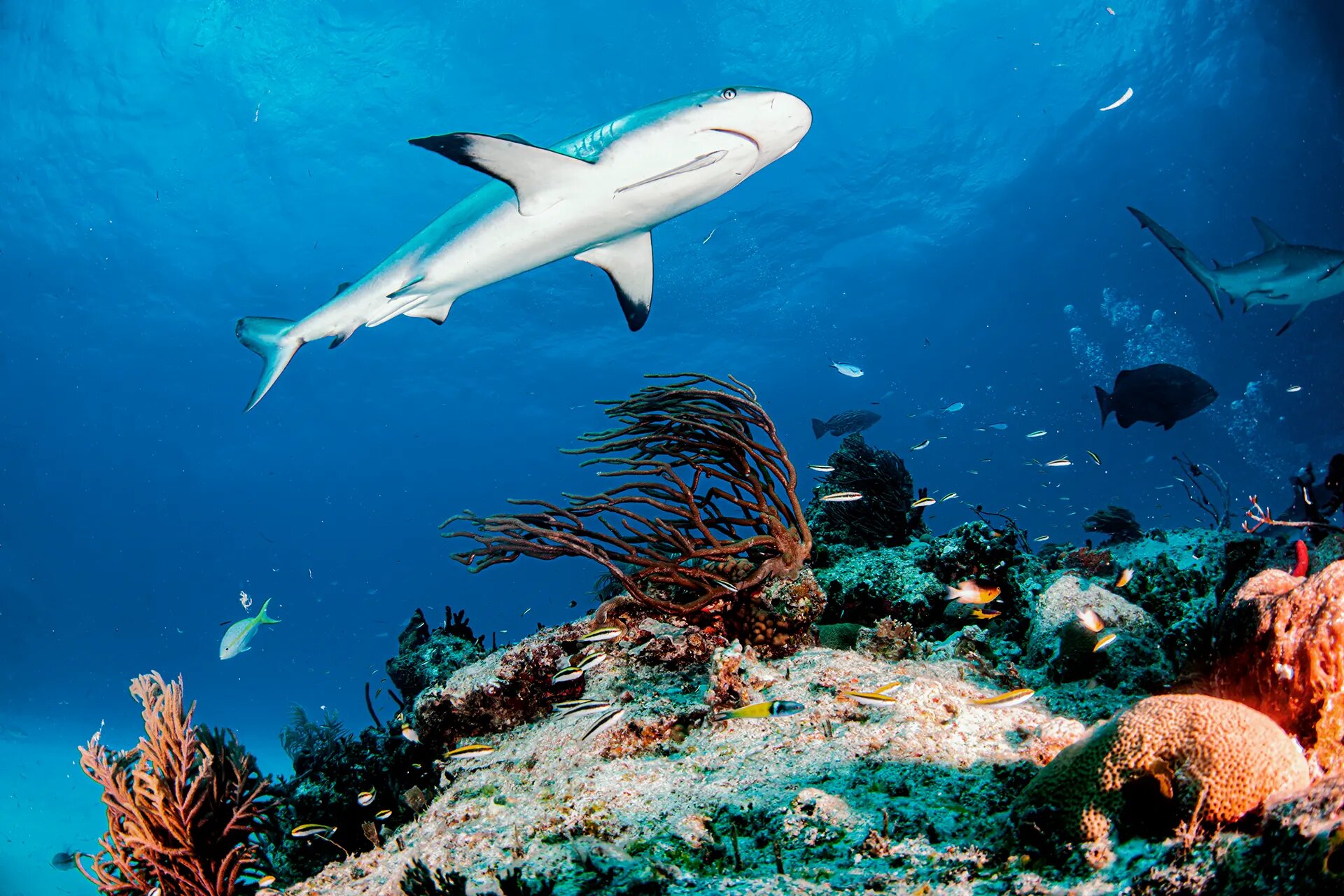
On the Water and On Foot
Every day brings a different way into the archipelago.
Wet & Dry Landings
Straight off the Zodiac. Straight into the wild.
Snorkeling The Reserve
Sea turtles and rays, site by site, season by season.
Kayaking The Coastline
Quiet coves, low to the water.
Highland Hikes
Coastline to misty highlands, in a single day.
A Commitment, Not a Footnote
What it Takes to Stay Wild
These species evolved with no defense against what people bring with them. That's the responsibility Anakata operates under — every expedition runs within the islands' protected limits, every landing built to leave the ecosystem exactly as capable of sustaining the next one as it was before we arrived.
Plan Your Expedition
Let our experts guide you.